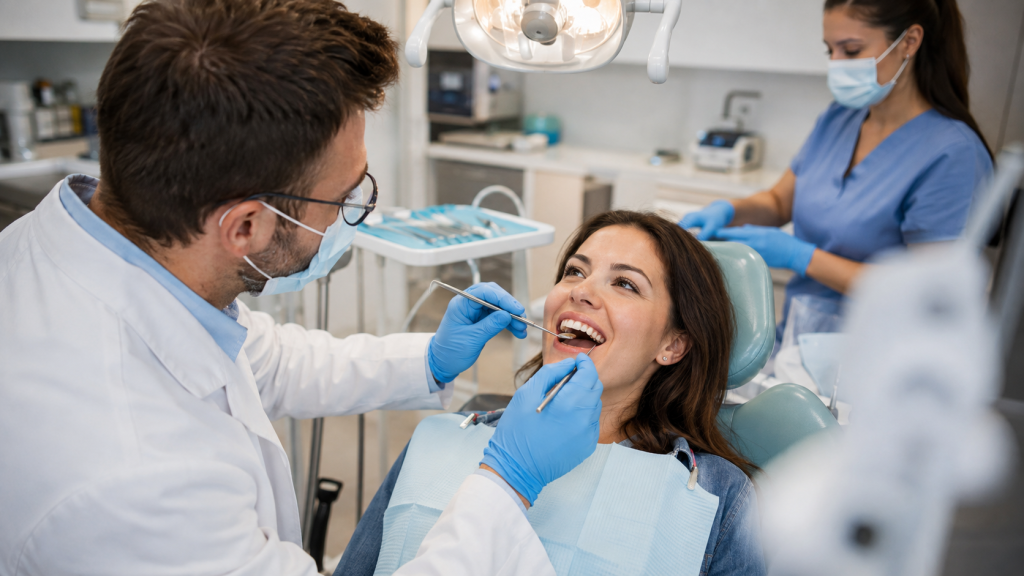
Dental emergencies rarely happen at a convenient time. A toothache may wake someone up in the middle of the night, a crown may come loose during lunch, or a child may chip a tooth while playing. When pain, swelling, bleeding, or a broken tooth suddenly appears, it is normal to feel worried and unsure about what to do next.
For patients searching for an emergency dentist in Bakersfield, CA, the most important first step is to stay calm and contact a dental office as soon as possible. Many urgent dental problems can be treated more comfortably and predictably when they are addressed early.
Apollonia Dental Center in Bakersfield helps patients understand their options and take the right next step when a dental problem cannot wait. This guide explains common dental emergencies, what patients can do immediately, and what to expect during an emergency dental visit.
Important note: This article is for general education only and is not a diagnosis or substitute for professional care. Anyone with severe pain, facial swelling, fever, uncontrolled bleeding, trauma, or symptoms that feel life-threatening should seek urgent medical or dental attention right away.
What Counts as a Dental Emergency?
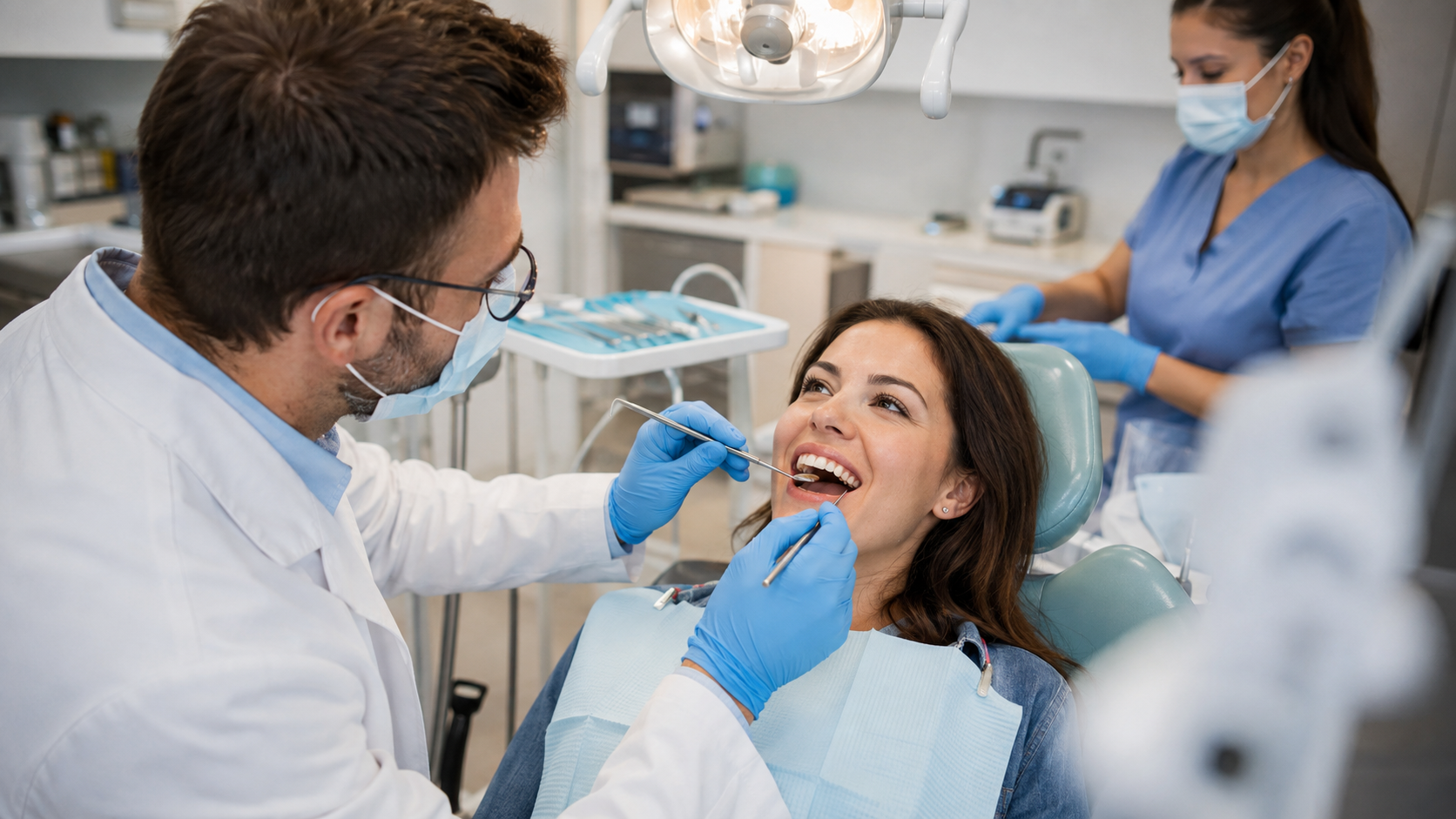
A dental emergency is any problem involving the teeth, gums, jaw, or mouth that needs prompt attention to relieve severe pain, stop infection, control bleeding, or save a tooth. Not every dental concern is an emergency, but many problems should not be ignored.
Patients should consider calling an emergency dentist if they have:
- Severe or worsening tooth pain
- Swelling in the gums, jaw, cheek, or face
- A knocked-out adult tooth
- A cracked, broken, or loose tooth
- Bleeding that does not slow down with gentle pressure
- A dental abscess or pimple-like bump on the gums
- A lost filling, crown, bridge, or temporary restoration
- Pain after a dental procedure that is getting worse instead of better
- Injury to the mouth, lips, tongue, or jaw
When in doubt, it is better to call. A dental team can help decide whether the situation needs same-day care, next-day care, or monitoring with instructions.
When to Call an Emergency Dentist in Bakersfield, CA
Patients should call an emergency dentist in Bakersfield, CA when symptoms interfere with eating, sleeping, speaking, or normal daily activities. Pain is the body’s way of saying something needs attention. Even if discomfort comes and goes, it may still point to decay, infection, a damaged nerve, a cracked tooth, or gum-related problems.
Some situations are especially time-sensitive. A knocked-out adult tooth has the best chance of being saved when a dentist sees the patient quickly. Swelling from an infection can also become serious if it spreads. A broken tooth may feel manageable at first, but exposed inner tooth structure can become very sensitive or vulnerable to bacteria.
Apollonia Dental Center encourages patients to contact the office promptly if they are unsure. A brief conversation can help patients understand what to do before they arrive and what information the dental team may need.
What to Do Right Away During Common Dental Emergencies
The minutes after a dental emergency can feel stressful. These general steps can help protect the tooth and keep the patient more comfortable until professional care is available.
Severe Toothache
A severe toothache may feel sharp, throbbing, constant, or triggered by hot, cold, or biting pressure. Patients can gently rinse with warm water and floss around the tooth to remove any trapped food. A cold compress on the outside of the cheek may help reduce discomfort or swelling.
Patients should avoid placing aspirin directly on the gums or tooth, as this can irritate or burn the tissue. Over-the-counter pain relievers may help some patients, but they should be used only as directed and only if safe based on the person’s health history and medications.
Knocked-Out Adult Tooth
A knocked-out permanent tooth needs quick attention. Patients should hold the tooth by the crown, which is the chewing part, and avoid touching the root. If the tooth is dirty, it can be gently rinsed with milk or clean water, but it should not be scrubbed.
If possible, the tooth can be placed back into the socket and held in place with gentle pressure. If that is not comfortable or safe, the tooth should be kept moist in milk, saliva, or an appropriate tooth preservation solution. The patient should contact an emergency dentist immediately.
Broken, Chipped, or Cracked Tooth
A chipped tooth may seem minor, but a deeper crack can expose sensitive tooth layers or damage the nerve. Patients can rinse with warm water and save any broken pieces if available. If the edge feels sharp, dental wax from a pharmacy may help cover the area temporarily.
Chewing on the damaged side should be avoided until a dentist evaluates the tooth. A cold compress can help if there is swelling or facial discomfort.
Lost Filling or Crown
A lost filling or crown can leave the tooth sensitive to temperature, air, and pressure. If a crown comes off, patients should save it and bring it to the appointment. Temporary dental cement from a pharmacy may provide short-term protection in some cases, but it is not a permanent fix.
Patients should avoid sticky or hard foods and should not use household glue or non-dental adhesives in the mouth.
Swelling, Abscess, or Gum Infection
Swelling in the gums, jaw, or face may be a sign of infection. A dental abscess can cause a bump on the gums, bad taste, throbbing pain, sensitivity, fever, or swollen lymph nodes. Because infections can spread, patients should contact a dentist promptly.
Warm salt water rinses may help keep the area clean, but they do not cure the source of infection. Patients should not try to pop or drain a gum bump at home.
Bleeding or Soft Tissue Injury
Cuts to the lips, cheeks, tongue, or gums can bleed heavily because the mouth has many blood vessels. Patients can rinse gently and apply clean gauze with steady pressure. If bleeding does not slow down, or if the injury is deep, medical or dental care may be needed right away.
What Happens at an Emergency Dental Visit?
An emergency dental visit usually begins with a focused conversation about symptoms, when they started, and what may have caused them. The dental team may ask about pain level, swelling, medical conditions, allergies, and medications.
The dentist will examine the affected area and may take digital X-rays to look for decay, infection, cracks, bone changes, or damage below the gumline. The goal is to identify the source of the problem, not just cover up the symptoms.
Depending on the situation, emergency care may include:
- Smoothing or repairing a chipped tooth
- Replacing a lost filling or crown
- Treating decay or infection
- Stabilizing a loose or injured tooth
- Draining an abscess when appropriate
- Prescribing medication when clinically necessary
- Planning follow-up treatment such as a root canal, crown, extraction, or restoration
In many cases, the first priority is comfort and stabilization. Some emergencies can be fully treated in one visit, while others may require a follow-up appointment. The dentist will explain the findings, discuss options, and help the patient choose a treatment plan that fits the situation.
Modern Emergency Dentistry Is Designed for Comfort
Many patients delay emergency care because they feel nervous about the dentist, worry about pain, or are embarrassed about the condition of their teeth. A caring dental team understands those feelings. Dental emergencies are common, and the focus is always on helping the patient feel better, not judging them.
Modern dentistry offers more comfortable ways to diagnose and treat urgent problems. Digital imaging, gentle numbing techniques, tooth-colored restorative materials, and clear communication can make care feel less overwhelming. Patients are encouraged to ask questions before treatment begins so they understand what is happening and why.
At Apollonia Dental Center, the patient experience matters. Emergency dental care is not only about fixing a tooth; it is also about helping patients feel heard, supported, and confident in the next step.
Dental Emergency or Medical Emergency?
Some mouth-related problems require immediate medical attention rather than waiting for a dental appointment. Patients should seek emergency medical care or call emergency services if they experience:
- Difficulty breathing or swallowing
- Severe facial swelling that is spreading quickly
- High fever with dental swelling or infection symptoms
- Uncontrolled bleeding
- Jaw injury after major trauma
- Loss of consciousness or suspected concussion
After a medical emergency is stabilized, a dentist can often help address the underlying dental issue.
How to Reduce the Risk of Future Dental Emergencies
Not every dental emergency can be prevented. Accidents happen. However, many urgent dental problems start small and become painful over time. Preventive care can help catch cavities, gum disease, worn fillings, and cracked teeth before they turn into emergencies.
Patients can lower their risk by:
- Scheduling regular dental exams and cleanings
- Treating cavities and damaged restorations early
- Wearing a mouthguard during sports or physical activities
- Using a nightguard if they clench or grind their teeth
- Avoiding chewing ice, hard candy, pens, or non-food objects
- Brushing twice daily with fluoride toothpaste
- Flossing daily to clean between teeth
- Calling a dentist when sensitivity or discomfort first appears
Small warning signs deserve attention. Sensitivity, a rough tooth edge, mild swelling, or occasional pain when chewing may be early clues that something needs care.
Questions to Ask When Calling an Emergency Dentist
When contacting a dental office, patients can make the call more productive by sharing clear details. Helpful information includes where the pain is located, how long symptoms have been present, whether there is swelling or fever, and whether an injury occurred.
Patients may also want to ask:
- How soon can the dentist evaluate the problem?
- What should be done to protect the tooth before the appointment?
- Should any broken pieces, crowns, or appliances be brought in?
- Are there foods or activities to avoid until the visit?
- What payment or insurance information should be prepared?
Costs and treatment needs can vary depending on the diagnosis, the complexity of the problem, and the type of care required. The dental team can provide more specific guidance after an exam.
FAQ About Emergency Dental Care in Bakersfield
What should someone do first during a dental emergency?
The first step is to call a dentist for guidance. If there is severe swelling, uncontrolled bleeding, trouble breathing, or major trauma, the patient should seek emergency medical care right away. For tooth-related emergencies, gently rinse the mouth, protect the area, avoid chewing on the affected side, and follow the dental team’s instructions.
Is a severe toothache always an emergency?
A severe toothache should be treated as urgent, especially if it is persistent, worsening, or accompanied by swelling, fever, bad taste, or pain when biting. Tooth pain can have several causes, and a dentist needs to evaluate the tooth to determine the appropriate treatment.
Can a knocked-out tooth be saved?
Sometimes, a knocked-out permanent tooth can be saved if care happens quickly. The tooth should be handled by the crown, kept moist, and evaluated by a dentist as soon as possible. Baby teeth are handled differently, so parents should call a dentist for instructions if a child loses a tooth due to injury.
What if a crown or filling falls out but there is no pain?
Even without pain, a lost crown or filling should be checked promptly. The exposed tooth may be vulnerable to decay, sensitivity, cracking, or shifting. Saving the crown or restoration and bringing it to the appointment can be helpful.
Will an emergency dentist pull the tooth?
Not always. The recommended treatment depends on the condition of the tooth, surrounding bone, gums, and overall oral health. In some cases, a tooth can be repaired or treated. In others, removal may be the safest option. The dentist will explain the choices before treatment.
Can antibiotics fix a dental abscess?
Antibiotics may help control certain infections when prescribed by a clinician, but they usually do not remove the source of a dental abscess by themselves. Dental treatment is often needed to address the underlying cause. Patients should not take leftover antibiotics or delay care if swelling or pain is present.
How can patients manage dental anxiety during an emergency visit?
Patients should tell the dental team if they feel nervous. A supportive office can explain each step, pause when needed, and discuss comfort options. Many patients feel more at ease once they understand the plan and know the team is focused on relieving pain.
Apollonia Dental Center Is Here When Urgent Dental Problems Happen
A dental emergency can feel frightening, but patients do not have to handle it alone. Prompt care can help relieve discomfort, protect oral health, and prevent small problems from becoming more complicated.
Anyone looking for an emergency dentist in Bakersfield, CA can contact Apollonia Dental Center for guidance and scheduling. Whether the concern is a painful tooth, swelling, a broken restoration, or a dental injury, the team can help patients understand the next step in a calm and supportive environment.
If something feels wrong, it is worth asking. A quick call can bring peace of mind and help patients get the care they need.